
Lord Baden-Powell, the mind behind the global Scouting movement, left behind a treasure trove of wisdom. His words weren’t just for boys learning to tie knots or camp under the stars; they offered a blueprint for living a meaningful life. Focusing on service, the thrill of adventure, and taking responsibility, Baden-Powell’s insights continue to guide us. Let’s explore some of his most impactful Lord Baden Powell quotes and what they really mean for all of us, not just Scouts.
Key Takeaways
- The real joy in life comes from making others happy and contributing positively to the world around you.
- Embrace hands-on experiences and outdoor adventures, as they offer invaluable lessons that textbooks can’t match.
- Taking personal responsibility, no matter how small the task, is fundamental to building strong character.
- Being prepared means thinking ahead and practicing skills so you can handle unexpected situations with confidence.
- True happiness is found not in what we receive, but in what we give to others and in living a life of purpose.
The Heart of Service: Baden-Powell’s Call to Give

Robert Baden-Powell, the visionary behind the Scouting movement, consistently emphasized the profound importance of service. His philosophy wasn’t about grand gestures, but about the everyday actions that contribute to the well-being of others. He believed that a life well-lived is one dedicated to making a positive impact, however small.
While we all fall short and would often change things we have done in the past, many find inspiration in the movement and wisdom in much of what Baden-Powell wrote and said – and modeled in his consistent actions.
“The Most Worthwhile Thing Is to Put Happiness into the Lives of Others”
This Baden-Powell quote cuts to the core of what it means to live a meaningful life. It suggests that true fulfillment comes not from personal gain, but from the act of bringing joy to those around us. Think about the last time you helped someone – a neighbor, a friend, even a stranger. That feeling of connection and purpose? That’s what Baden-Powell was talking about. It’s about looking beyond ourselves and actively seeking opportunities to brighten someone else’s day. This is a central piece of scouting founder wisdom.
“We Must Change Boys from a ‘What Can I Get’ to a ‘What Can I Give’ Attitude”
Baden-Powell recognized that a shift in perspective is vital for personal growth and societal contribution. He urged us to move away from a mindset focused on personal acquisition and towards one centered on generosity and helpfulness. This transformation is key to developing responsible citizens. It’s about understanding that our actions have an impact and choosing to make that impact a positive one. This is one of the most powerful Baden-Powell sayings.
“Try and Leave This World a Little Better Than You Found It”
This simple yet profound Baden-Powell quote serves as a guiding principle for action. It’s an encouragement to be mindful of our surroundings and our impact on them. Whether it’s tidying up a park, helping a classmate with homework, or simply being kind, every effort to improve the world counts. It’s a call to continuous improvement, both for ourselves and for the world we inhabit. This is a core tenet of inspirational sayings from Baden Powell.
Embracing Adventure: Learning Through Doing
Robert Baden-Powell believed that real learning happens when you’re actively involved. He famously said,
“A week of camp life is worth six months of theoretical teaching.”
This idea comes from his own experiences. He saw that hands-on activities, especially outdoors, teach skills and build character far better than just reading about them.
Baden-Powell’s time in Africa was a big part of this realization. He learned how important quick thinking and working together were when facing tough situations. He even picked up clever tricks from local scouts, like using disguises and secret signals. These experiences showed him that resourcefulness and courage are key to overcoming challenges. It’s about learning by doing, not just by listening.
His time during the Siege of Mafeking also highlighted his knack for creative leadership under pressure. Outnumbered and isolated, he kept spirits high and used smart tactics to defend the town. He even organized a group of local boys to help as messengers. This early experience with youth in challenging situations was a stepping stone to his later work.
“The Open Air Is the Real Objective of Scouting and the Key to Its Success”
Baden-Powell stressed that the outdoors is where the true spirit of Scouting lies. It’s not just about being outside; it’s about connecting with nature and learning from it. The fresh air and natural environment are seen as the main goal, and the best way to achieve success in this kind of learning.
“A Week of Camp Life Is Worth Six Months of Theoretical Teaching”
This quote really gets to the heart of experiential learning. Imagine trying to learn about building a shelter by reading a book versus actually building one with your hands. The camp experience, with all its practical challenges and discoveries, offers a depth of learning that classroom instruction simply cannot match. It’s about doing and experiencing.
“A Boy Is Not a Sitting-Down Animal”
Baden-Powell understood that young people are naturally energetic and curious. They learn best when they are moving, exploring, and engaging with their surroundings. This means creating opportunities for them to be active, whether it’s through games, exploration, or practical tasks. Keeping them engaged and moving is key to their development and learning. It’s about letting them explore their world and learn from it, rather than just sitting still.
Cultivating Character: Responsibility and Integrity
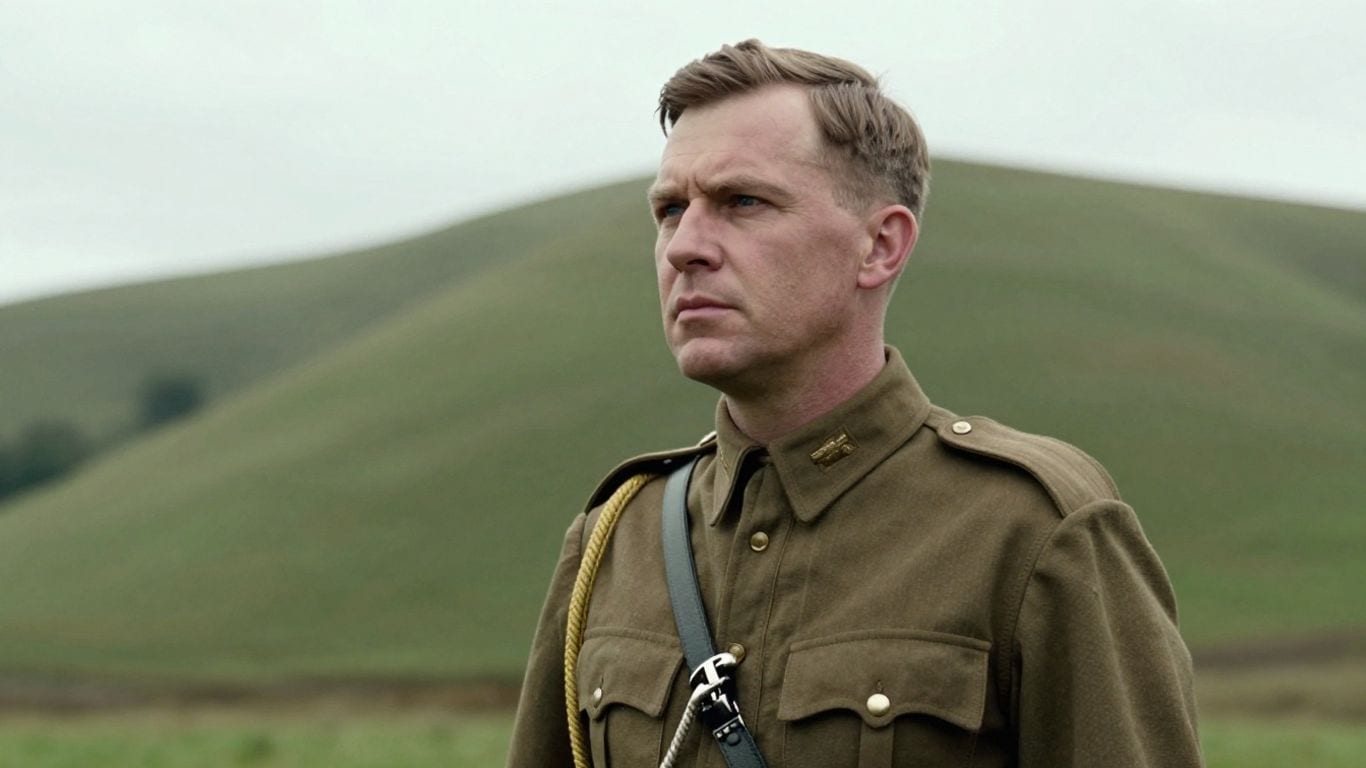
Baden-Powell on character building is all about trust and giving young people real tasks. He believed that handing over responsibility was a key step in shaping who they become. It’s not about just telling them what to do, but letting them figure it out and own the outcome. This approach helps them grow into reliable individuals.
“An Invaluable Step in Character Training Is to Put Responsibility on the Individual”
Giving individuals real tasks helps them learn and grow. When you trust someone with a job, they learn to be accountable. This is how strong character is built. It’s about more than just following instructions; it’s about understanding the impact of your actions. This trust is a powerful tool for personal development.
“The Patrol System Leads Each Boy to See That He Has Some Individual Responsibility”
The patrol system is a smart way to teach responsibility. Each member has a part to play for the group’s success. This setup makes sure everyone understands they have a role and are counted on. It’s a practical way to learn teamwork and personal accountability, which are vital skills for life. You can learn more about this approach to empowering young people.
“It’s the Spirit Within, Not the Veneer Without, That Makes a Man”
True character comes from inside. It’s about your values and how you act when no one is watching. A good person has integrity, honesty, and a sense of duty. These inner qualities are what truly matter, not just how you appear to others. It’s the spirit of doing what’s right that defines a person.
Character is not built in a day. It is the result of consistent choices and actions over time. True strength lies in integrity and a commitment to doing the right thing, always.
The Power of Preparedness: Facing Life’s Challenges
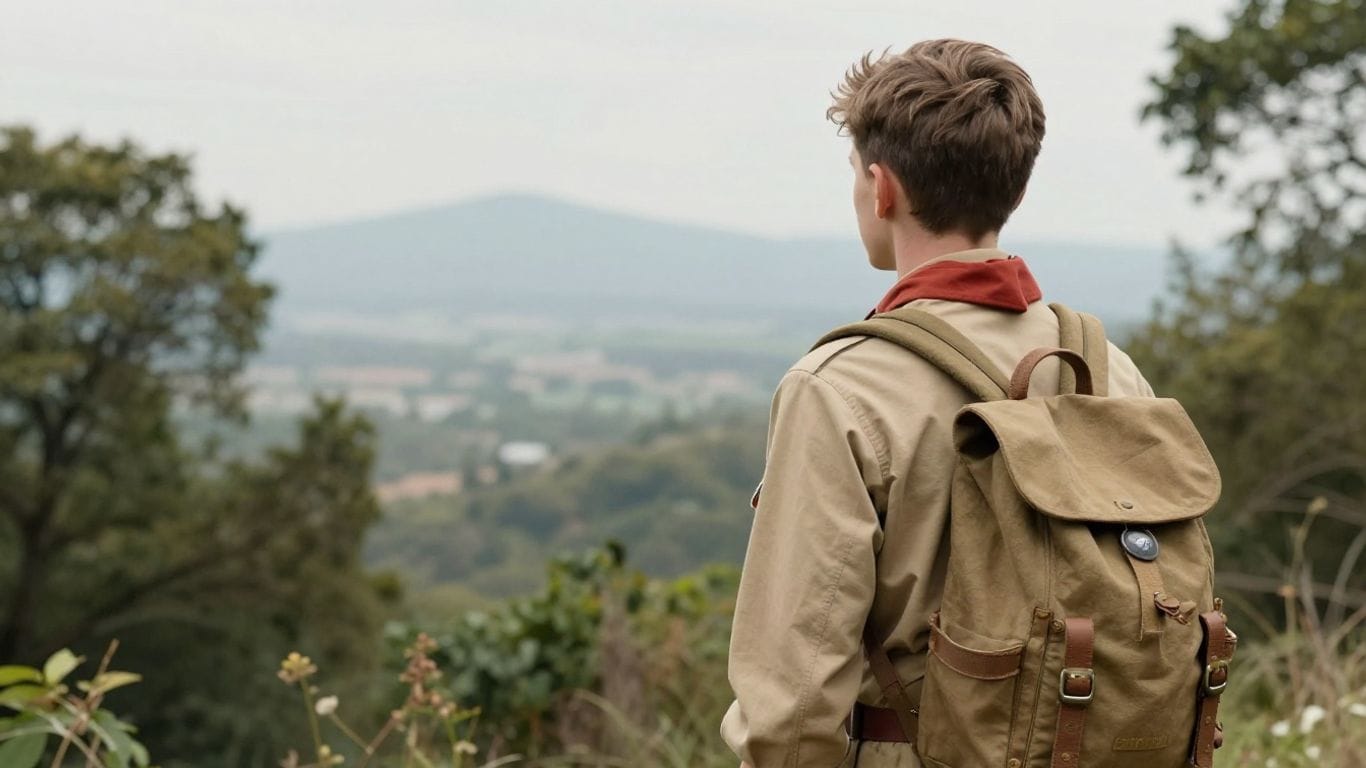
Preparedness goes beyond just being ready for the weekend hike or science project. Robert Baden-Powell taught that preparedness was a way of facing anything life throws at us, from daily struggles to big, unexpected storms. It’s about helping kids face new things with confidence, not fear. Parents who encourage practical skills and resourcefulness give their children a sense of control, even when everything else feels overwhelming.
“A Scout Is Never Taken by Surprise; He Knows Exactly What to Do”
Children who are prepared don’t freeze up when something unexpected happens. Instead, they pause, think, and take action. Preparedness means:
- Having a plan for problems—lost keys, sudden rain, a scraped knee
- Staying calm under pressure
- Learning from mistakes, not feeling defeated by them
If your kids practice small skills—like checking their bags each night, or doing a kitchen safety check before cooking—they build routines that help when bigger problems pop up.
“Be Prepared – The Meaning of the Motto Is That a Scout Must Prepare Himself”
Being prepared isn’t just about memorizing a checklist. Baden-Powell wanted children to build habits of thinking ahead and practicing new things. Here’s how you can help them get there:
- Talk about “what if” situations—make it ordinary, not scary.
- Show and practice first-aid basics together.
- Role play what to do if they get lost in a store or wake up to a thunderstorm.
| Everyday Scenario | Simple Prep Step |
|---|---|
| Rain forecast | Pack a raincoat |
| Bike gets a flat | Carry a repair kit |
| Friend feeling left out | Think about kind words to say |
Letting children lead in these situations helps them become confident and steady, rather than anxious or unsure.
“Looking Wide, and Even When You Think You Are Looking Wide, Look Wider Still”
Preparedness isn’t just about personal safety—it’s also about awareness. Kids are often focused on the small picture: their own worries, their friends, their plans. Baden-Powell taught to “look wide”: see what’s happening around you, notice others who might need help, and predict needs before they become problems.
- Pay attention to your surroundings: not just your belongings, but your environment and people nearby
- Ask “what could go wrong?” and “what help could someone else need?”
- Learn to step back and see the bigger picture
Teaching your child to be prepared is the best way to help them feel capable when life is unpredictable. Kids who know they can handle surprises don’t avoid challenges—they welcome them.
Finding Joy: The Pursuit of Happiness

Robert Baden-Powell believed that happiness wasn’t just about personal gain, but about a broader sense of well-being that comes from within and extends to others. He saw life as a gift meant to be enjoyed, and he encouraged everyone to find contentment and share it.
“I Believe That God Put Us in This Jolly World to Be Happy and Enjoy Life”
This quote gets right to the heart of Baden-Powell’s philosophy. He wasn’t about grim duty or constant struggle. Instead, he saw life as an opportunity for joy. This perspective encourages us to look for the good, appreciate the simple pleasures, and approach challenges with a positive outlook. It’s a reminder that a cheerful spirit can make all the difference in how we experience the world. Finding happiness starts with believing it’s possible and actively seeking it out in everyday moments.
“The Real Way to Get Happiness Is by Giving Out Happiness to Other People”
Baden-Powell understood that true happiness is often found in generosity and service. It’s a bit like a boomerang; the more joy you send out, the more comes back to you. This idea shifts the focus from what we can get to what we can give. When we help others, share our time, or simply offer a kind word, we create positive ripples that benefit everyone involved. This principle is a cornerstone of servant leadership, where focusing on the needs of others leads to greater fulfillment.
“Be Contented with What You Have Got and Make the Best of It”
Contentment is a key ingredient for happiness. Baden-Powell wasn’t advocating for settling or lacking ambition, but rather for appreciating the present and making the most of current circumstances. Instead of constantly chasing what we don’t have, he suggested finding satisfaction in what we do possess. This mindset helps reduce dissatisfaction and allows us to focus our energy on positive actions and contributions. It’s about finding the good in today, rather than always wishing for tomorrow.
Leadership Through Example: Guiding Others
“The Patrol System Leads Each Boy to See That He Has Some Individual Responsibility”
Baden-Powell’s approach to leadership emphasizes empowering those you lead. He believed that by giving young people responsibility, they would rise to the occasion. The patrol system, a core part of his method, was designed to make sure every individual felt accountable for the group’s success. This isn’t about delegating busywork; it’s about trusting others with meaningful tasks.
When You Want a Thing Done, ‘Don’t Do It Yourself’ Is a Good Motto
This is a key piece of Baden Powell leadership advice. Instead of jumping in to fix every problem yourself, a good leader steps back. They guide and support, allowing others to learn and grow through their own efforts. Think of it as teaching someone to fish rather than just giving them a fish. This builds confidence and competence in the long run.
The More Responsibility the Scoutmaster Gives His Patrol Leaders, the More They Will Respond
This idea highlights a leader’s role in developing future leaders. When you show trust by handing over significant duties, people tend to step up. It’s a cycle of growth: more responsibility leads to greater capability and willingness to take on challenges. This approach cultivates a sense of ownership and commitment.
True Leadership Starts with Kindness and Service
At its heart, effective leadership is about serving others. Baden-Powell suggested that the most rewarding aspect of life is contributing to the happiness of those around you. This means leading with empathy, understanding, and a genuine desire to help. It’s about setting a positive example through actions, not just words. This kind of leadership builds strong, loyal, and capable individuals who are ready to contribute to their communities.
Being a good example is key to helping others grow. When leaders show the way with their actions, it inspires those around them to follow. This kind of guidance builds strong teams and helps everyone learn and succeed. Want to see how we lead by example? Visit our website to learn more!
More Than Just Quotes: A Lasting Call to Action
So, we’ve looked at some of Baden-Powell’s thoughts on service, adventure, and taking responsibility. It’s pretty clear he wasn’t just talking about games or camping trips. He really believed that getting out there, helping others, and stepping up when needed were the keys to growing into a good person. His ideas aren’t just old sayings; they’re like a friendly nudge, reminding us, especially us parents, that the best lessons often happen when we’re not even trying to teach them. Whether it’s a hike in the woods or a simple act of kindness, these experiences shape our kids in ways a classroom never could. Baden-Powell’s legacy is all about making the world a bit better, one person, one action at a time. It’s a pretty great goal to aim for, don’t you think?
Frequently Asked Questions
What was Robert Baden-Powell’s main idea for Scouting?
Baden-Powell’s main idea was to help young people grow into good adults by teaching them important life skills. He believed in learning by doing things outdoors, helping others, and being responsible. He wanted kids to have fun while becoming trustworthy, loyal, and kind.
Why did Baden-Powell think outdoor activities were so important?
He felt that learning outside, like during camping trips, was much better than just reading books or listening in a classroom. The outdoors teaches you to be resourceful, work with others, and appreciate nature. He believed it was the best way to learn and build character.
What does ‘Be Prepared’ really mean?
Being prepared means thinking ahead and practicing how to handle different situations. It’s not just about having the right gear, but also about knowing what to do if something unexpected happens. This helps Scouts stay calm and capable, no matter the challenge.
How did Baden-Powell want Scouts to help others?
Baden-Powell wanted Scouts to always look for ways to help out and make the world a little better. This could be through small acts of kindness, like helping a neighbor, or bigger community projects. He believed that serving others was a key part of becoming a good person.
What did Baden-Powell say about finding happiness?
He believed that true happiness comes from making others happy and doing good things. Instead of focusing on what you can get, he encouraged people to focus on what they can give. Living a life of purpose and service was his recipe for happiness.
How did Baden-Powell think leaders should act?
Baden-Powell thought that good leaders lead by example, showing kindness and service. He also believed in trusting others and giving them responsibility. He advised leaders not to do everything themselves, but to empower the young people they are guiding.

Kurt Uhlir serves on the volunteer leadership team of Trail Life USA Troop GA-4100 and is passionate about raising boys who understand that true leadership begins with service. He grew up in Boy Scouts and has built more than 25 miles of hiking trails, many of which he still maintains alongside his two kids. He chose Trail Life for its hands-on learning, the way it challenges boys to take responsibility and build character, and the quality of the dads, uncles, and grandfathers his son learns from each week. Kurt believes you must learn to follow well before you can lead well, and Trail Life gives fathers and sons the opportunity to practice both together. Outside the troop, Kurt is regularly invited to speak on business and leadership, focusing on building high-performing companies and, increasingly, helping parents win at work and at home.