
Robert Baden-Powell was a British Army officer who ended up creating something pretty amazing: the global Scouting movement. He wasn’t just about marching and drills; he saw how important it was for young people to learn practical skills, build character, and have a bit of adventure. This article takes a look at his life, from his early days to how he turned his experiences into a worldwide program that still impacts millions today.
Key Takeaways
- Robert Baden-Powell, a British Army officer, founded the global Scouting movement by recognizing the importance of challenge, responsibility, and adventure in shaping youth.
- His military experiences, particularly in India and Africa, and his leadership during the Siege of Mafeking, provided practical lessons that inspired the core principles of Scouting.
- The publication of “Scouting for Boys” in 1908 was a pivotal moment, introducing the patrol method and outdoor-centered character training that quickly spread worldwide.
- Scouting’s core principles emphasize character development, service to others, self-reliance, learning by doing, and respect for nature, all aimed at creating responsible citizens.
- Baden-Powell’s enduring legacy is evident in the millions of Scouts worldwide and the continued influence of his ideas on modern character programs that utilize outdoor adventure and mentoring.
The Early Life Of Robert Baden-Powell
Family And Childhood Influences
Robert Baden-Powell was born in London on February 22, 1857. He was the eighth of ten children in a family that valued learning and adventure. His father, Reverend Baden Powell, was a professor at Oxford University. His mother, Henrietta Grace Smyth, came from a family known for its strong and capable women. After his father passed away when Robert was very young, his mother became the central figure in his life. She encouraged his curiosity and independence, instilling in him a sense of resourcefulness and optimism that would serve him well throughout his life. The stories of exploration and service within his family also sparked his imagination and sense of duty.
Education And Early Adventures
Baden-Powell attended Charterhouse School, a well-regarded institution in England. While academics were important, Robert found his true education in the outdoors. He often explored the woods surrounding the school, practicing skills like tracking wildlife and building shelters. He even learned to catch and cook rabbits, all while trying to remain undetected. These early adventures, along with holidays spent exploring with his brothers, honed his practical skills and fostered a deep appreciation for nature. These experiences were not just childhood pastimes; they were the early building blocks for his later work with young people. He learned the value of observation and self-reliance in the natural world, lessons that would later form the core of the Scouting movement. You can read more about his life in his autobiography.
A Mother’s Guiding Force
Henrietta Grace Smyth played a significant role in shaping young Robert Baden-Powell. With her husband’s early death, she took on the responsibility of raising ten children. Her strength and determination were evident in how she managed the household and encouraged her children’s development. She supported Robert’s adventurous spirit, allowing him the freedom to explore and learn from the world around him. This supportive environment, combined with his mother’s own resilience, helped Robert develop into a confident and capable individual. His mother’s influence was a quiet but powerful force, guiding him toward a life of service and leadership.
A Military Career Forged In Adventure
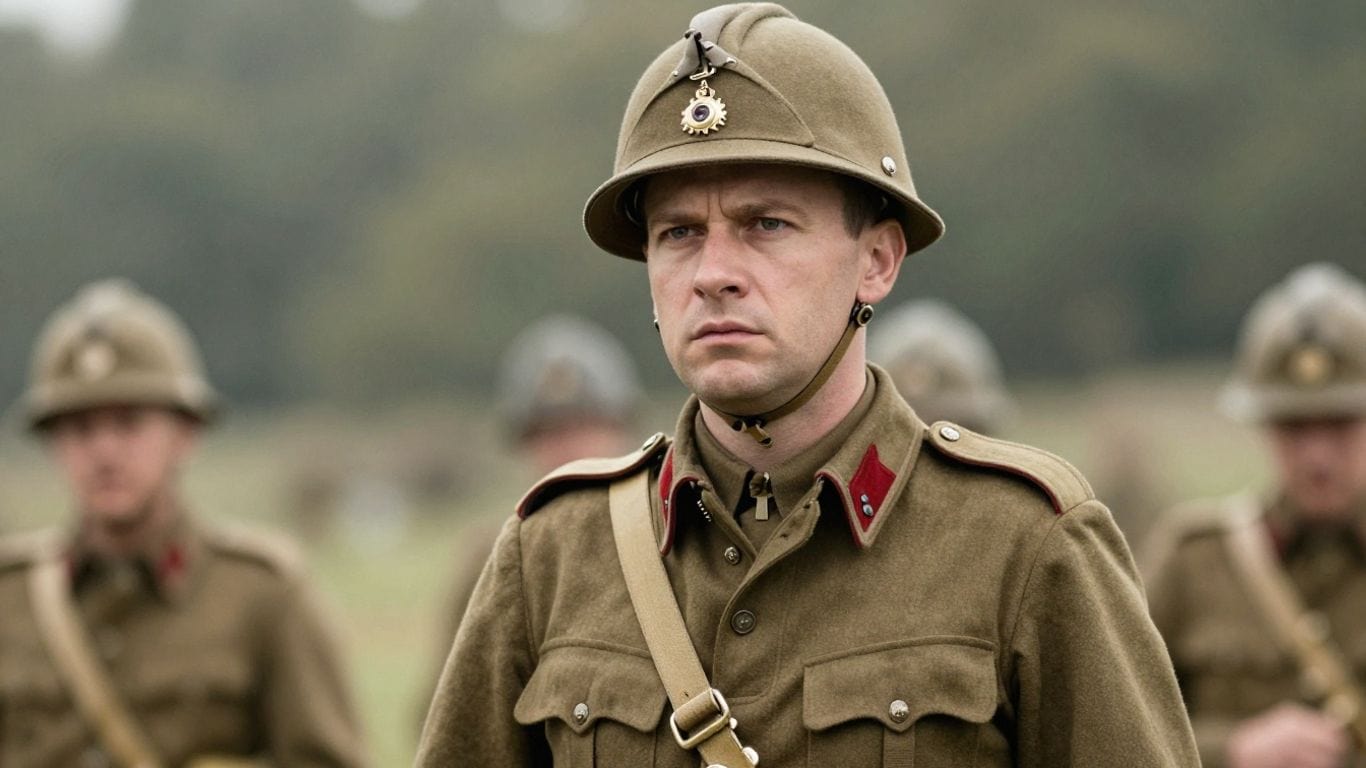
Robert Baden-Powell’s time in the military was more than just a job; it was a grand adventure that taught him lessons he’d later use to shape a global movement. His early years as an officer, starting in 1876, took him to far-flung places like India and Africa. These weren’t quiet postings; they were real-life challenges where he learned to think on his feet and lead his men through difficult situations. He discovered that resourcefulness and quick thinking could make all the difference.
Service In India And Africa
Serving in places like India proved to be a formative experience for Baden-Powell. He learned the importance of keen observation, even practicing tracking wild animals and reading signs in the sand. These skills were not just for military advantage; they taught him to be aware of his surroundings and to understand the natural world. His time in Africa brought even more challenges and opportunities to adapt. He watched and learned from local scouts, adopting their clever techniques for camouflage and communication. These experiences abroad showed him that courage, a good sense of humor, and the ability to make do with what you have could help overcome almost any obstacle.
The Siege Of Mafeking
The Siege of Mafeking in 1899-1900 was a defining moment in Baden-Powell’s career. Outnumbered and isolated, he demonstrated remarkable leadership and creativity. He kept the spirits of his troops and the town’s civilians high, using unconventional tactics to make his small force seem larger and more formidable. He even organized a group of local boys to serve as messengers, an early glimpse of how young people could contribute in valuable ways. The successful defense of Mafeking turned Baden-Powell into a national hero, his story of bravery and ingenuity celebrated across Britain. This fame provided him with a unique platform to share his ideas about youth development.
Unorthodox Military Methods
Baden-Powell’s approach to military scouting was quite different from the norm. He believed in small, agile units that worked together, emphasizing teamwork and individual initiative. He recognized and rewarded proficiency, even developing proficiency badges for soldiers who mastered certain skills. These badges, with their compass-point design, bear a striking resemblance to the universal emblem used by Scouts today. His methods, which focused on practical skills, observation, and self-reliance, were considered innovative and proved highly effective in the field. He saw that the discipline and resourcefulness learned in military scouting could be adapted into a powerful program for young people.
From Soldier To Scout Founder
Lessons Learned In The Field
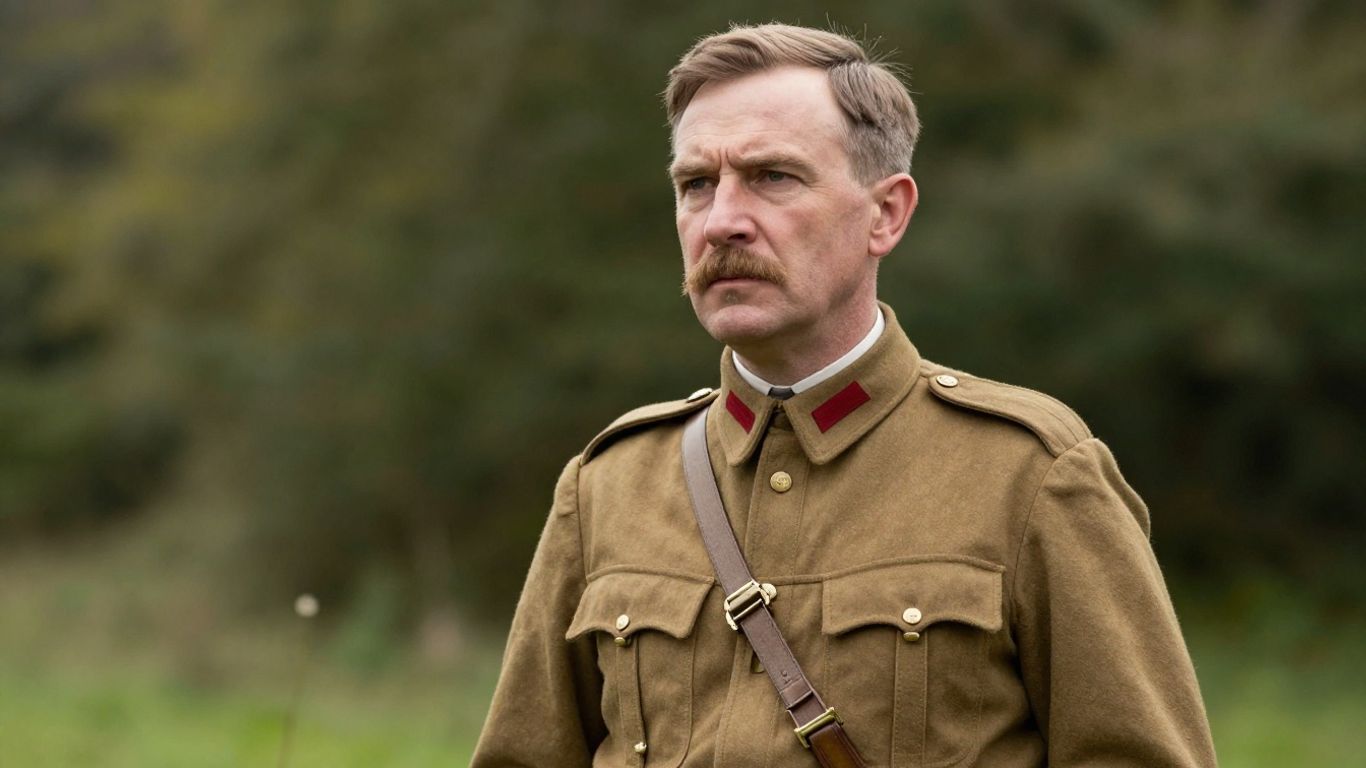
Baden-Powell’s time in the military, particularly in places like India and Africa, was more than just a career; it was a real-life training ground. He learned that being prepared and thinking on your feet could make all the difference. He saw firsthand how small groups, working together under a leader, could achieve big things. These weren’t just army tactics; they were lessons in how people can accomplish more when they cooperate and trust each other. He started noticing how these skills could be useful for more than just soldiers.
Inspiration From Local Scouts
While serving in Africa, Baden-Powell observed the local scouts. He was impressed by their clever ways of moving unseen, their tracking abilities, and how they used their environment to their advantage. He saw how they used disguises and secret signals, and he realized these methods could be adapted. He began to see the potential for these practical outdoor skills to be taught to young people. These observations sparked an idea that would eventually grow into something much bigger than he could have imagined.
Retirement From Military Service
After years of service, Baden-Powell returned to Britain as a celebrated figure, especially after his role in the Siege of Mafeking. This fame gave him a unique platform. Instead of resting on his laurels, he felt a strong calling to use his experiences to shape the next generation. He believed the skills he’d learned – resourcefulness, observation, teamwork, and a love for the outdoors – were vital for young people. He wanted to create a program that would help boys develop good character and practical abilities, moving beyond the battlefield to build a better future for them.
The Birth Of The Scout Movement
The Brownsea Island Camp
In the summer of 1907, Robert Baden-Powell organized an experimental camp on Brownsea Island in Poole Harbour, England. This wasn’t just any camping trip; it was the very first gathering of its kind, bringing together 20 boys from diverse backgrounds. They spent ten days exploring the outdoors, learning practical skills, and working together. The camp was a resounding success, proving Baden-Powell’s ideas about youth development could work in practice. It laid the groundwork for something much bigger.
Scouting for Boys
Following the success of the Brownsea Island camp, Baden-Powell put his ideas into a book. Published in 1908, “Scouting for Boys” became an instant sensation. It wasn’t just a manual; it was an invitation to adventure. The book detailed practical skills, character-building lessons, and a new way for boys to learn and grow. Its popularity spread like wildfire, with millions of copies sold over the years and translations into numerous languages. This book is the bedrock of the entire movement.
The Patrol Method
A key innovation introduced by Baden-Powell was the patrol method. This system organized small groups of boys, typically six to eight, into patrols. Each patrol had a leader, and the boys learned to work together, take responsibility, and support each other. This method encouraged self-reliance and leadership development within the group. It was a simple yet effective way to manage larger numbers of young people and teach them valuable teamwork skills. The patrol method is still a core part of the program today, helping young people learn to lead and follow in Trail Life USA Troop GA-4100.
The patrol method emphasizes that young people can and should be trusted to take responsibility for their own actions and the actions of their patrol. It’s about learning by doing, together.
Core Principles Of Scouting
Baden-Powell built the Scouting movement on a few key ideas. He wanted young people to grow into good people who help others and can take care of themselves. It was all about building character, being ready to serve, and learning to rely on yourself. He believed that the best way to learn was by doing things, not just reading about them. This hands-on approach helped build confidence and practical skills.
Character, Service, And Self-Reliance
At its heart, Scouting is about developing strong character. Baden-Powell emphasized traits like honesty, loyalty, and kindness. He believed that young people should be encouraged to help others and contribute to their communities. This focus on service teaches valuable lessons about empathy and responsibility. Learning to be self-reliant means developing the ability to think for yourself and handle challenges. This builds a foundation for a responsible and fulfilling life.
Learning By Doing
Baden-Powell was a big believer in hands-on learning. He thought that kids learn best when they are actively involved in activities. This is where the patrol method really shines. By working in small teams, young people learn cooperation, problem-solving, and leadership skills naturally. They learn by trying things out, making mistakes, and figuring out how to succeed together. This practical experience is far more impactful than just listening to lectures. It’s about gaining real-world skills that stick with you.
Respect For Nature And Teamwork
Scouting encourages a deep appreciation for the natural world. Spending time outdoors teaches young people to observe, respect, and care for the environment. This connection with nature is seen as vital for personal growth. Teamwork is another cornerstone. The patrol method, where small groups of Scouts work together, teaches cooperation, mutual support, and shared responsibility. These experiences help young people understand their place in the world and how they can positively impact it. It’s about learning to work with others and valuing the contributions of each team member. This approach helps prepare them for life’s adventures.
The goal was always to help young people become capable, caring individuals ready to face the world with confidence and a willingness to help others.
The Global Expansion Of Scouting
Spreading The Scouting Spirit Worldwide
After the initial success of “Scouting for Boys,” the movement didn’t stay put for long. It quickly crossed borders, carried by the enthusiasm of young people and the dedication of leaders. By 1909, just two years after the first camp, a massive rally in London saw over 11,000 participants, including some from abroad. This showed the widespread appeal of Baden-Powell’s ideas. Translations of his book into multiple languages further fueled this international growth. Soon, Scout troops were forming in countries across continents, from Canada and Australia to India and South Africa. The core principles of adventure, service, and self-reliance seemed to speak a universal language.
The First World Scout Jamboree
The growing global community of Scouts needed a way to connect. This led to the establishment of the first World Scout Jamboree in 1920. Held in London, it brought together young people from 34 different countries. This event was more than just a gathering; it was a powerful demonstration of unity and shared purpose. It solidified the idea that Scouting was a worldwide movement, capable of bridging cultural and national divides. The success of this first jamboree paved the way for future international events, becoming a cornerstone of the global Scouting experience.
Baden-Powell’s Vision For Youth
Baden-Powell always envisioned Scouting as a force for good on a global scale. He actively promoted its spread, traveling and corresponding with leaders in many nations. His goal was to provide young people everywhere with opportunities for character development and outdoor adventure. The formation of the World Organization of the Scout Movement in 1920 was a significant step in formalizing this global reach and providing a framework for international cooperation. He believed that by working together, Scouts could help build a better world, one community at a time. This vision continues to guide Scouting efforts today, adapting to new challenges while holding fast to its original ideals.
Literary Contributions To Youth Development
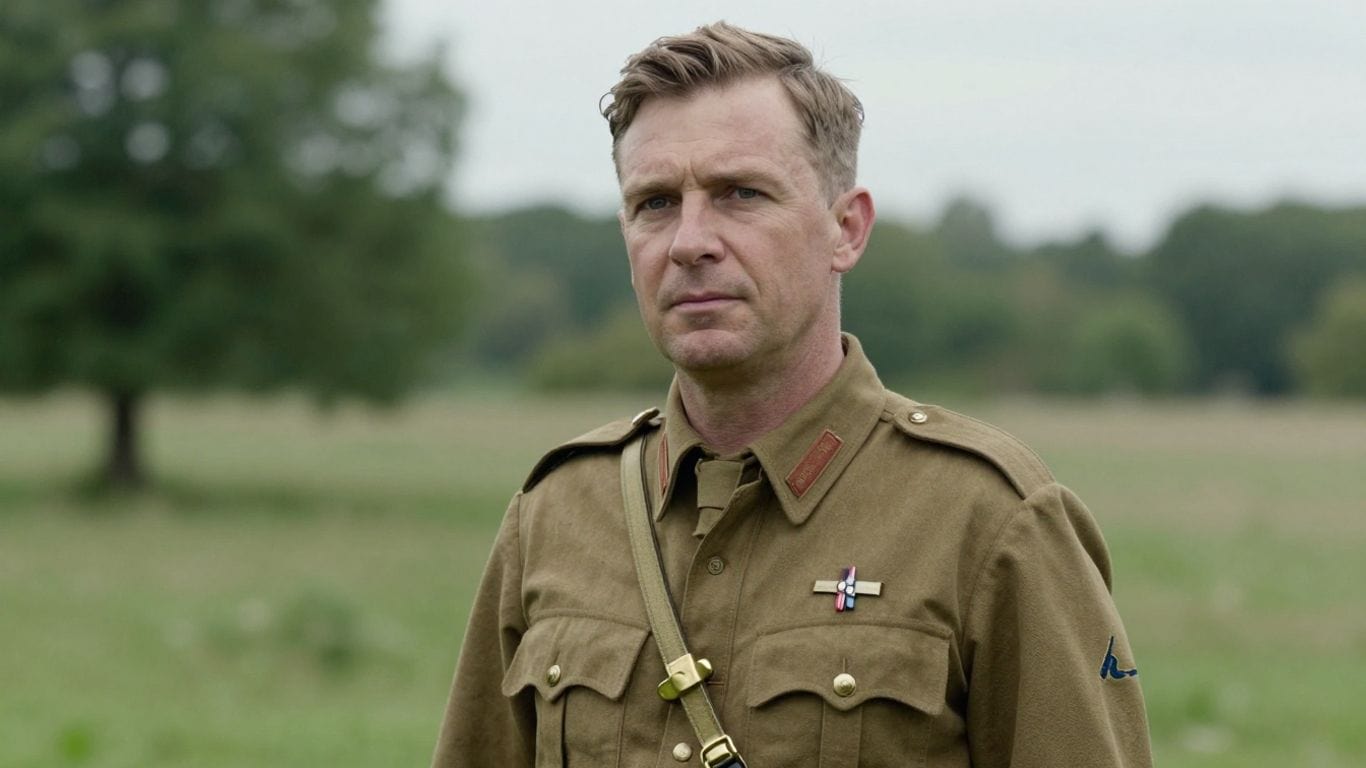
Robert Baden-Powell wasn’t just a military man; he was a writer with a vision for young people. His books became the bedrock for a global movement, translating his ideas into practical, engaging content for youth. He believed that learning should be an adventure, and his writings reflect that.
Scouting for Boys: A Handbook for Adventure
This was the big one, the book that kicked everything off. Published in 1908, “Scouting for Boys” wasn’t just a manual; it was an invitation to adventure. Baden-Powell packed it with stories and practical skills, aiming to shape young people into resourceful and responsible citizens. He made learning things like knot-tying, basic first aid, and outdoor cooking sound like a treasure hunt, not a chore. It was this book that truly ignited the global Scouting movement. It offered a clear path for boys to develop character and practical abilities, drawing from his own experiences and observations.
Inspiring Outdoor Activities and Games
Baden-Powell understood that kids learn best when they’re having fun and getting their hands dirty. His writings are full of ideas for outdoor activities and games that teach valuable lessons. He famously said,
“A week of camp life is worth six months of theoretical teaching in the meeting room.”
He wanted young people to learn through doing, whether it was building a shelter, tracking animals, or navigating by the stars. These experiences built confidence and practical skills that stuck with them long after the campfire went out. His approach emphasized the importance of the outdoors as a classroom, a place where real learning and personal growth happen.
Creating a Sense of Community Through Writing
Beyond the practical skills, Baden-Powell’s writings fostered a sense of belonging and shared purpose. He encouraged a spirit of service, urging young people to “Try and leave this world a little better than you found it.” His words promoted values like trustworthiness, loyalty, and kindness, building a foundation for good character. He wanted to shift the focus from what one could get to what one could give, creating a generation that understood the importance of contributing to their communities. His literary works provided a common language and set of ideals that connected young people across different backgrounds and cultures, forming the basis of a worldwide community.
Baden-Powell’s literary works provided a blueprint for character development, emphasizing hands-on learning and service. His accessible writing style made complex ideas about leadership and self-reliance engaging for young readers, turning his vision into a tangible reality for millions.
Baden-Powell’s Enduring Legacy
Chief Scout Of The World
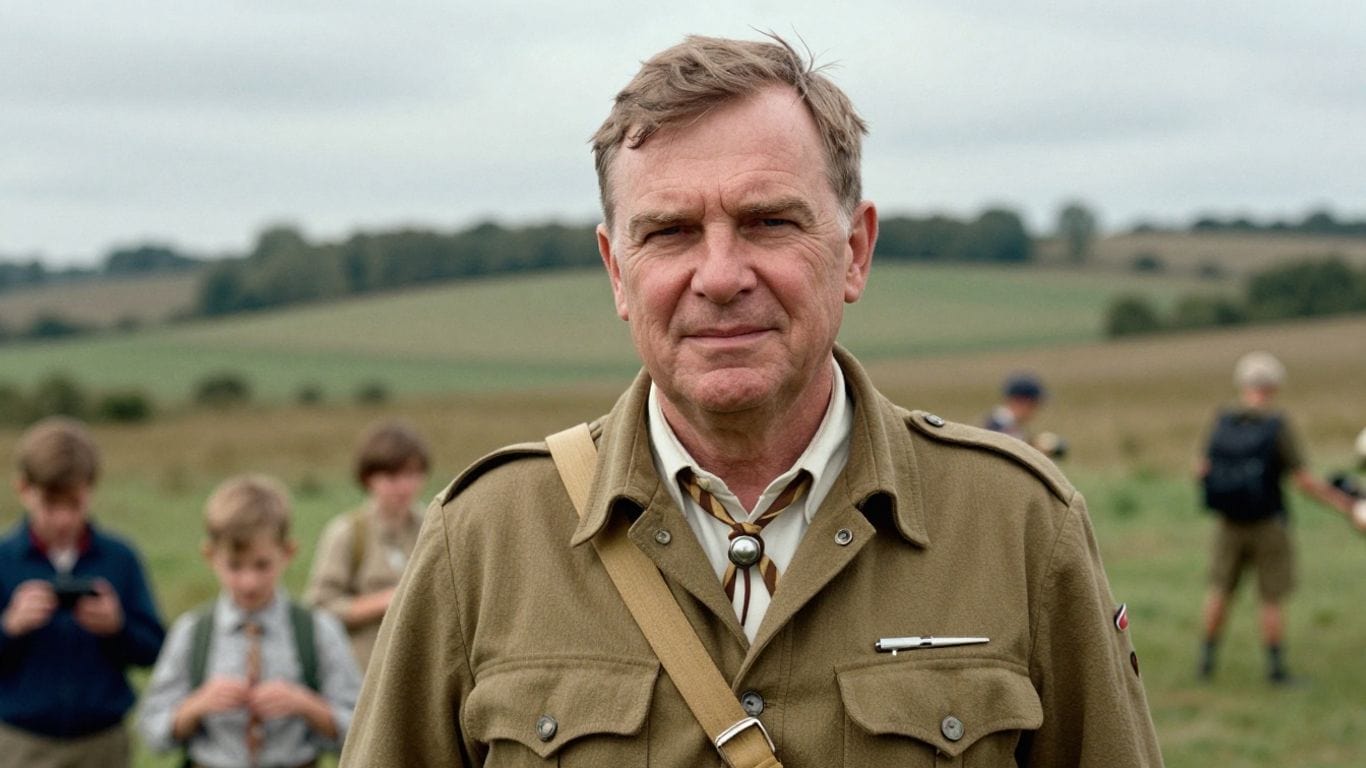
Lord Baden-Powell’s influence grew so immense that by 1920, he was acclaimed the Chief Scout of the World. This title wasn’t just a name; it represented the global reach and impact of the movement he started. He was recognized for his dedication to youth development and his vision for a better world. This recognition came at the first World Scout Jamboree, a massive gathering that showcased the unity and spirit of Scouting across many nations. It was a powerful moment, solidifying his role as the central figure of this international community.
Honors And Global Recognition
Baden-Powell received numerous honors throughout his life, reflecting his significant contributions. He was knighted by King Edward VII in 1909, becoming Sir Robert Baden-Powell. Later, he was granted the title Baron Baden-Powell of Gilwell, a nod to the international training center he established. His decorations came from countries around the globe, including France, Norway, and Japan, highlighting the worldwide appreciation for his work. He also received honorary degrees from several universities, further cementing his status as a respected leader and educator. The monuments and memorials dedicated to Baden-Powell found on almost every continent serve as constant reminders of his lasting impact.
A Farewell Message To Scouts
In his final years, Baden-Powell returned to Kenya, a place he deeply cherished. Before his passing in 1941, he penned a heartfelt farewell message to all Scouts. His simple yet profound advice was to “try and leave this world a little better than you found it.” This message encapsulates the core of the Scouting ethos: active citizenship and a commitment to making a positive difference. It’s a call to action that continues to inspire generations to contribute to their communities and the world. This sentiment is echoed by individuals dedicated to positive global change, like those supported by the World Baden-Powell Fellowship.
Here are some of his final thoughts:
- Be prepared for life’s challenges.
- Find happiness in helping others.
- Always strive to improve the world around you.
The real way to get happiness is by giving out happiness to other people. Try and leave this world a little better than you found it and when your turn comes to die, you can die happy in feeling that at any rate you have not wasted your time but have done your best.
Baden-Powell’s Inspiring Quotes
On Service and Giving Back
Lord Robert Baden-Powell, the mind behind the global Scout movement, left us with words that still guide us today. He believed that the best way to find happiness was by spreading it to others. “The most worthwhile thing is to try to put happiness into the lives of others.” This simple idea is at the heart of everything Scouts do. It’s about looking for ways to help out, big or small, and making the world a bit brighter. It’s a reminder that our actions matter and can bring joy to those around us. This philosophy encourages a spirit of generosity and community care that powell baden championed throughout his life.
The Importance of Preparedness
Baden-Powell stressed that being ready for anything is key. He famously said, “A Scout is never taken by surprise; he knows exactly what to do when anything unexpected happens.” This isn’t just about knowing how to tie knots or build a fire. It’s about thinking ahead, practicing skills, and having the confidence to face challenges. Preparedness means being mentally and physically ready for life’s twists and turns. It’s about developing a resourceful mindset that allows you to handle any situation with calm and competence. This preparedness is a cornerstone of the Scout Movement’s philosophy.
Responsibility and Character Training
“An invaluable step in character training is to put responsibility on the individual.”
Baden-Powell understood that giving young people real tasks and trusting them to complete them builds strong character. When you’re given a job to do, whether it’s looking after a piece of equipment or helping plan an activity, you learn to be dependable and accountable. This hands-on approach to responsibility helps shape individuals who are self-reliant and trustworthy. It’s through these experiences that true growth happens, turning everyday actions into lessons for life.
We must change boys from a ‘what can I get’ to a ‘what can I give’ attitude. This shift in perspective is fundamental to developing a giving spirit and contributing positively to society.
The Impact On Modern Character Programs
Robert Baden-Powell’s vision for youth development continues to shape character programs today. His emphasis on hands-on learning and personal responsibility laid the groundwork for many modern initiatives focused on building well-rounded individuals. The core ideas he championed, like service to others and developing practical skills, are still seen as vital for young people.
Outdoor Adventure and Mentoring
Baden-Powell believed that real growth happens when young people are engaged with the natural world. He famously said, “A week of camp life is worth six months of theoretical teaching in the meeting room.” This idea is central to many youth programs now. They use outdoor activities not just for fun, but as a way to teach important life lessons. Think about camping trips or hikes; these aren’t just about being outside. They are opportunities for young people to learn teamwork, problem-solving, and self-reliance. Mentors guide them through challenges, helping them build confidence and resilience. These experiences help shape character in ways that classroom learning often cannot. Many organizations structure their programs around age-specific progression, like Trail Life USA’s Woodlands Trail, Navigators, and Adventurers, ensuring that the challenges and learning opportunities grow with the participant.
Developing Leadership Skills
Leadership, for Baden-Powell, wasn’t about authority but about service and setting a good example. He taught that true leaders are those who act with kindness and take responsibility. This philosophy is reflected in how many character programs today approach leadership development. They focus on giving young people opportunities to lead within their groups, whether it’s planning an activity or helping a younger member. The goal is to develop leaders who are not only capable but also caring and community-minded. This approach helps young people understand that leadership is about making a positive difference in the lives of others.
Building a Better World
Baden-Powell’s call to “Leave this world a little better than you found it” is a powerful message that still guides youth development. Modern character programs often incorporate service projects and community involvement. These activities teach young people the importance of citizenship and contributing to society. They learn that even small actions can have a big impact. By engaging in service, young people develop empathy and a sense of purpose. They become more aware of the needs around them and are inspired to make positive changes. This focus on service helps them grow into adults who are committed to making the world a better place.
Discover what makes our character programs stand out in today’s world. We focus on building strong values and practical skills that last a lifetime. Ready to see the difference? Visit our website to learn more about how we shape future leaders.
A Lasting Legacy of Adventure and Service
So, what’s the big takeaway from Robert Baden-Powell’s life? It’s pretty simple, really. He saw that kids, especially boys, thrive when they’re given a chance to face challenges, take on responsibility, and go on real adventures. He didn’t just dream this up; he built a whole movement around it. From his early days learning survival skills to his time as a military officer, he gathered ideas that would shape millions. His book, “Scouting for Boys,” wasn’t just a manual; it was an invitation to a life of learning, helping others, and exploring the world. Today, that spirit lives on, not just in Scouting, but in many groups that still believe in the power of the outdoors and good mentorship to help young people grow. Baden-Powell’s core message, to leave the world a little better than you found it, is a challenge that still guides us all.
Frequently Asked Questions
Who was Robert Baden-Powell and why is he famous?
Robert Baden-Powell was a British Army officer who became famous for starting the worldwide Scouting movement. He believed that young people could learn important life skills and become good citizens through outdoor adventures, teamwork, and service to others. His ideas have inspired millions of kids to join Scouts and Guides all over the world.
What was Baden-Powell’s early life like?
Born in London in 1857, Robert Baden-Powell grew up in a large family. His father was a professor, and his mother was a strong woman who encouraged his curiosity. Even though his father passed away when he was young, his mother’s independence and stories of adventure from his family sparked his own love for exploration and learning.
How did his military career lead to Scouting?
During his time in the British Army, especially in places like India and Africa, Baden-Powell learned valuable skills like tracking, survival, and leadership. He noticed that young boys in some areas were already good at these outdoor activities. He realized that these skills, combined with discipline and teamwork, could be taught to all young people to help them grow into capable adults. His experiences during the Siege of Mafeking also showed him how important it was for boys to be responsible and resourceful.
What was the first Scout camp like?
In 1907, Baden-Powell organized a special camp on Brownsea Island in England. He invited about 20 boys from different backgrounds to try out his ideas for outdoor activities, camping, and working together. The camp was a big success and showed that his methods worked, leading directly to the creation of the Scout movement.
What is the book ‘Scouting for Boys’ about?
‘Scouting for Boys,’ written by Baden-Powell and published in 1908, is the handbook that launched the Scout movement. It’s full of fun ideas for outdoor games, camping, learning useful skills like knot-tying and first aid, and encourages boys to be honest, helpful, and loyal. It taught them how to be prepared for anything and how to serve their communities.
What are the main ideas or principles of Scouting?
The core ideas of Scouting are about building good character, serving others, and learning to rely on yourself. Baden-Powell believed in ‘learning by doing,’ encouraging teamwork, respecting nature, and being trustworthy and cheerful. The goal is to help young people become responsible, caring, and capable adults who make a positive difference in the world.
How did Scouting spread around the world?
After ‘Scouting for Boys’ was published, the movement quickly became popular not just in Britain but in many other countries. Baden-Powell traveled extensively, encouraging leaders and helping to set up Scout groups everywhere. The first World Scout Jamboree in 1920 brought together thousands of Scouts from different nations, showing how Scouting had become a global community.
What is Baden-Powell’s lasting message?
Baden-Powell’s most famous message to Scouts is, ‘Try and leave this world a little better than you found it.’ He wanted young people to be prepared, to be good citizens, and to always strive to make a positive impact on their communities and the world around them through service and kindness.

Kurt Uhlir serves on the volunteer leadership team of Trail Life USA Troop GA-4100 and is passionate about raising boys who understand that true leadership begins with service. He grew up in Boy Scouts and has built more than 25 miles of hiking trails, many of which he still maintains alongside his two kids. He chose Trail Life for its hands-on learning, the way it challenges boys to take responsibility and build character, and the quality of the dads, uncles, and grandfathers his son learns from each week. Kurt believes you must learn to follow well before you can lead well, and Trail Life gives fathers and sons the opportunity to practice both together. Outside the troop, Kurt is regularly invited to speak on business and leadership, focusing on building high-performing companies and, increasingly, helping parents win at work and at home.